How to properly dispose of light bulbs and lighting fixtures at the end of their lifespan
Added 9.4.2026 11:02.29
Every year, tens of millions of light bulbs, fluorescent lamps, and LED fixtures end up in households. Most of them are discarded where they should never be — in municipal waste. Proper ecological disposal of this type of waste is neither complicated nor costly. You simply need to know where and how.
Light bulbs and lighting fixtures fall into the category of electrical waste — meaning electrical equipment at the end of its lifecycle.
“Improper disposal of bulbs and fluorescent lamps can lead to mercury leakage into soil and groundwater — with consequences that can last for decades.”
Why light bulbs should not be thrown into regular waste
The intuitive solution — throwing a burned-out bulb into the trash — is unfortunately incorrect. Although bulbs may appear to be made only of glass and metal, they are complex electrical devices containing materials that can harm the environment if disposed of improperly.
Compact fluorescent lamps and linear tubes contain mercury — a heavy metal where even a small amount can contaminate thousands of liters of groundwater. LED bulbs contain electronic components with lead, arsenic, and cadmium. All of these substances belong in specialized recycling facilities, not landfills.
⚠ Warning: fines for improper disposal
Disposing of electrical waste — including bulbs and lighting fixtures — in municipal waste is an offense.
Types of light sources: each requires a different approach
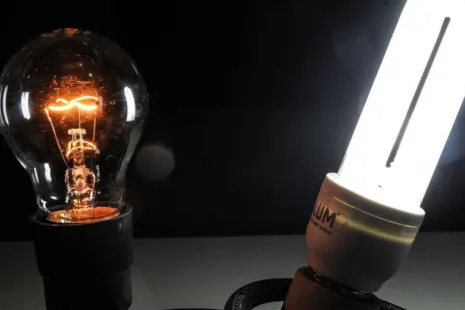
Different types of light sources vary in composition and in how demanding their processing is. Here is an overview of the most common types:
|
TYPE OF LIGHT SOURCE |
DESCRIPTION, RISKS, DISPOSAL METHOD |
|
Traditional incandescent bulbs
|
Now banned from sale. Contain glass, tungsten, and metal. The least hazardous type, but still belong in electrical waste collection.
|
|
Compact fluorescent lamps (CFL)
|
Contain mercury — even when broken, they must be immediately sealed in a closed bag. Mandatory take-back at retail stores.
|
|
LED bulbs and strips
|
Contain electronic components with heavy metals. Despite their eco-friendly reputation, they must be disposed of as electrical waste, not in household bins.
|
|
Halogen bulbs
|
Higher content of glass and metal. Less hazardous, but still part of the take-back system.
|
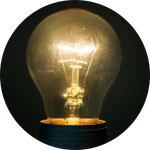
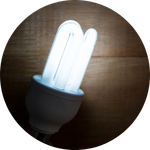
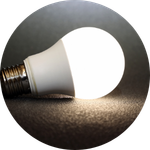

Want to better understand the different types of light bulbs? We've prepared a clear comparison for you.
How to dispose of broken fluorescent lamps containing mercury
Breaking a fluorescent lamp requires caution — mercury is released as toxic vapor.
Procedure:
-
-
- Ventilate the room — open windows and leave the room for 15–20 minutes. Do not vacuum.
- Collect fragments with a damp cloth — use gloves and seal everything in a container or double bag.
- Dispose of as hazardous waste — at a collection point, clearly indicate mercury content.
-
LED bulbs — why they are not an exception
The idea that LED bulbs are “eco-friendly and therefore can be thrown in the trash” is a myth. While they do not contain mercury, they do contain lead, arsenic, and cadmium. Therefore, they belong in electrical waste.
Integrated LED fixtures often cannot be disassembled — the entire fixture must be disposed of.
What happens after disposal
After collection, bulbs are processed in specialized recycling facilities:
-
-
- Fluorescent lamps are treated in closed systems, and mercury is stabilized.
- Valuable metals (such as gallium and indium) and plastics are recovered from LED bulbs.
- Modern technologies allow more than 90% of materials to be recycled
-
♻ Did you know?
-
-
- One ton of fluorescent lamps can yield up to 3–5 grams of mercury
- Recycling aluminum uses 95% less energy than producing it from raw materials
- There are more than 40,000 collection points in the Czech Republic
- The EKOLAMP system has recycled thousands of tons of lighting waste
-
Frequently asked questions (FAQ)
❓ Do I need to sort bulbs?
It isn't necessary, but it's a good idea to separate the fluorescent lights.
❓ What about large fixtures and chandeliers?
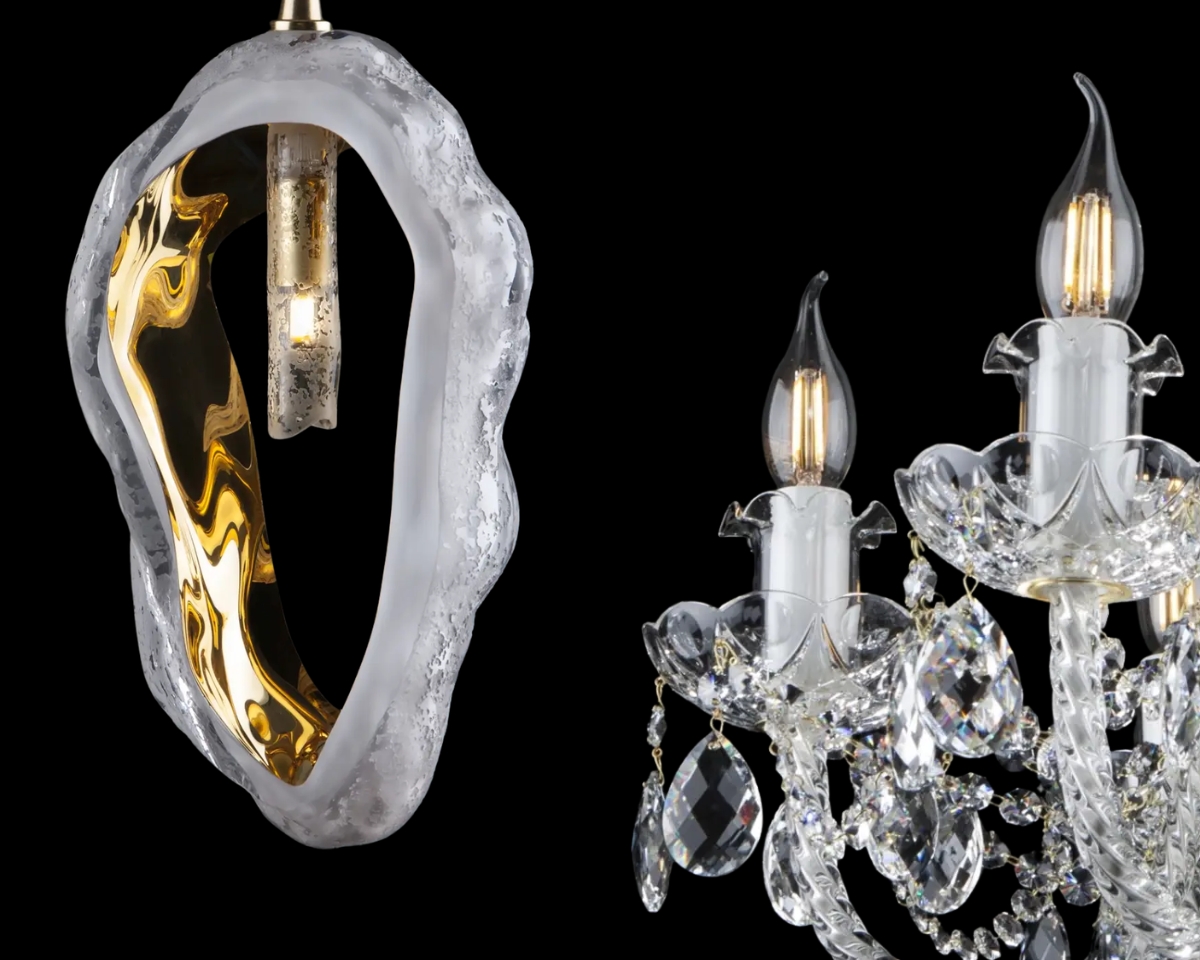
They belong to electrical waste. Functional items can be donated or sold.
❓ Is there a fee for returning them to stores?
No — take-back is free of charge.
❓ How should outdoor LED fixtures and solar lamps be disposed of?
As electrical waste — they contain electronics and batteries.
❓ Can companies dispose of bulbs themselves?
They must comply with legislation — typically through a collective system or a specialized company.